


WordPress is more powerful than it’s ever been. AI coding tools have basically solved the coding problem. Respira just shipped 103 MCP tools across 11 page builders with full-fidelity snapshots and one-click rollback.
And yet.
Someone will connect the latest flagship Claude Code model on thinking-hard mode to their WordPress site through 103 MCP tools, type “make my homepage better”, and then blame the AI when the result is generic.
That’s not a tools problem. That’s a GiGo problem.
Garbage In, Garbage Out
GiGo was coined in 1957. It predates the internet, personal computers, and your page builder. And it’s more relevant now than ever, because the tools got so good that the bottleneck quietly shifted to the other side of the keyboard.
When the tool was a hammer, you didn’t blame it for a crooked nail. But when the tool talks back in perfect paragraphs and sounds more confident than your project manager, it’s easy to forget that it’s still waiting for you to aim.
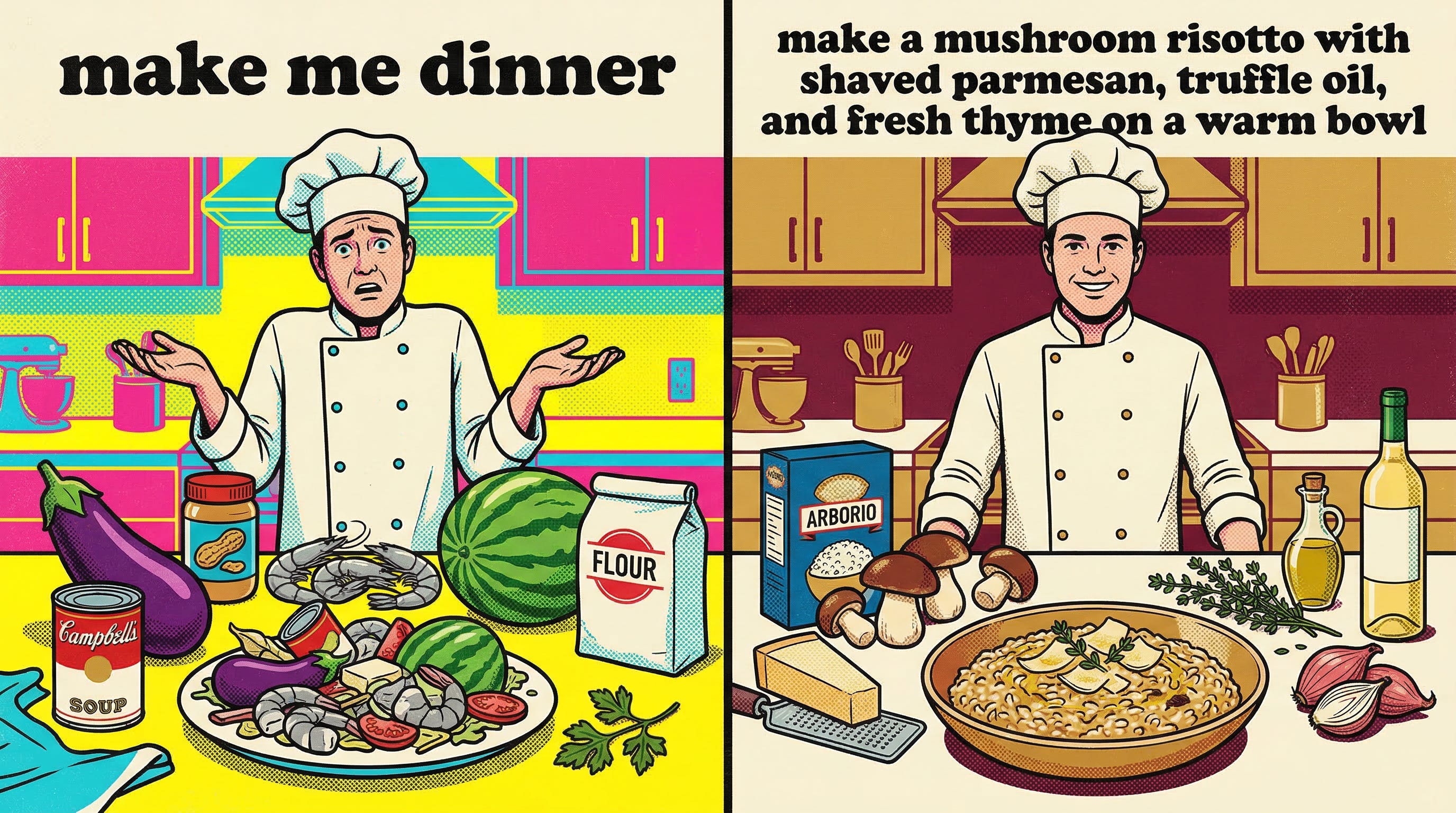
What GiGo looks like in practice
Garbage in:
“make my services page look better”
The AI hears: change things. Which things? Better how? More modern? More minimal? More like a competitor you haven’t mentioned? It doesn’t know your brand, your audience, or what “better” means to you. So it guesses. And guesses are generic by definition.
Gold in:
“Rewrite the hero section on my services page. Keep the h1 but rewrite the subtitle to focus on client outcomes, not features. Same Divi section structure. Match the tone of the About page. Don’t touch anything below the fold.”
Same AI. Same tools. Same page. Wildly different output. The difference is the instruction, not the intelligence.
The three things you’re skipping
Context. The AI doesn’t know your business. It doesn’t know your services page gets 40% of its traffic from Google Ads and visitors bounce at the hero. If you don’t say it, it doesn’t exist.
Constraints. AI with no boundaries produces average work because average is the center of its training data. “Build me a landing page” is a prayer. “Single section, one headline, one paragraph, one CTA, black on white, under 50 words” is creative direction.
References. “Make it modern” means nothing. “Match the layout of stripe.com/payments with our color palette in a Bricks section” means everything. AI is great at pattern matching. Give it a pattern.
The 5-second test
Before you hit enter, ask yourself: could three different people read this prompt and imagine three completely different results?
If yes, it’s garbage. Not because it’s stupid. Because it’s ambiguous. And ambiguity is the raw material of mediocre output.
The format that works
What: specific action on specific element
Where: which page, which section, which builder
Why: the goal you’re solving for
How: tone, style reference, constraints
Don’t touch: what stays the same
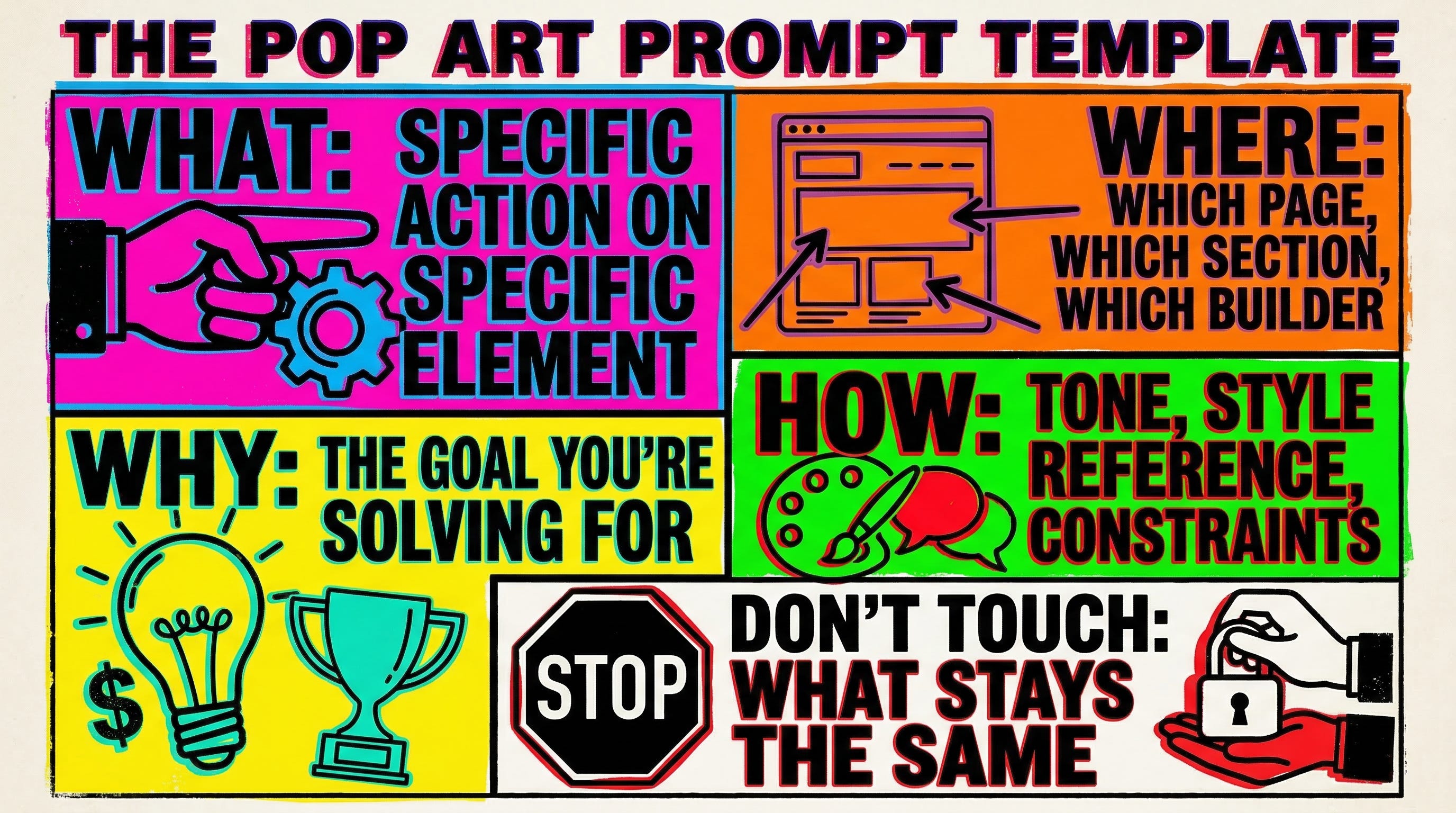
Example:
Rewrite the pricing section on /services. Bricks section, three columns. Current copy lists features but sales calls show clients care about time saved. Rewrite each column to lead with the outcome. Keep layout, buttons, and pricing numbers. Leave the FAQ below it alone.
That prompt takes 30 seconds longer to write and saves you three rounds of “no, not like that.”
The oldest law in computing
WordPress is powerful. AI models are powerful. Respira connects them with 103 tools across 11 builders and a safety net that captures every edit. But none of that fixes “make it better.”
You’re the creative director. The AI is waiting for direction.
GiGo. 1957. Still undefeated.
respira.press — 103 tools. 11 builders. The safety net is there. The creative direction is yours.